
A circular fashion economy is one of the main things we as a society need to focus on in order to achieve a more sustainable future. The great debate is the question of whose responsibility is it to achieve this circular fashion model?
The answer is simple. It’s everyone’s.
We need a circular system where there no, or a limited amount of, wastage. Yes, manufacturers have a responsibility to provide us with clothing but once it is in the shops, it’s up to us what we do. Whether we buy it. If we buy it, do we look after it? Do we wear it? How do we get rid of it? Do we bin it? Does it go to landfill? How long is its life span? These are all good questions that we really need to think about.
There are small things that we can all do that will overall have a very positive impact on the environment. Small things that overall make a big difference.
- Never send any clothing to landfill.
No textiles should ever be sent to landfill yet around £140 million of clothing ends up in landfill yearly (1). A large amount of clothing is recyclable and if it’s not, then it can be used and remade into something else. If you no longer have a purpose for your garments, there are plenty of other options of how to get rid of them that don’t negatively impact the environment. Some shops will even take the items back to repair it.
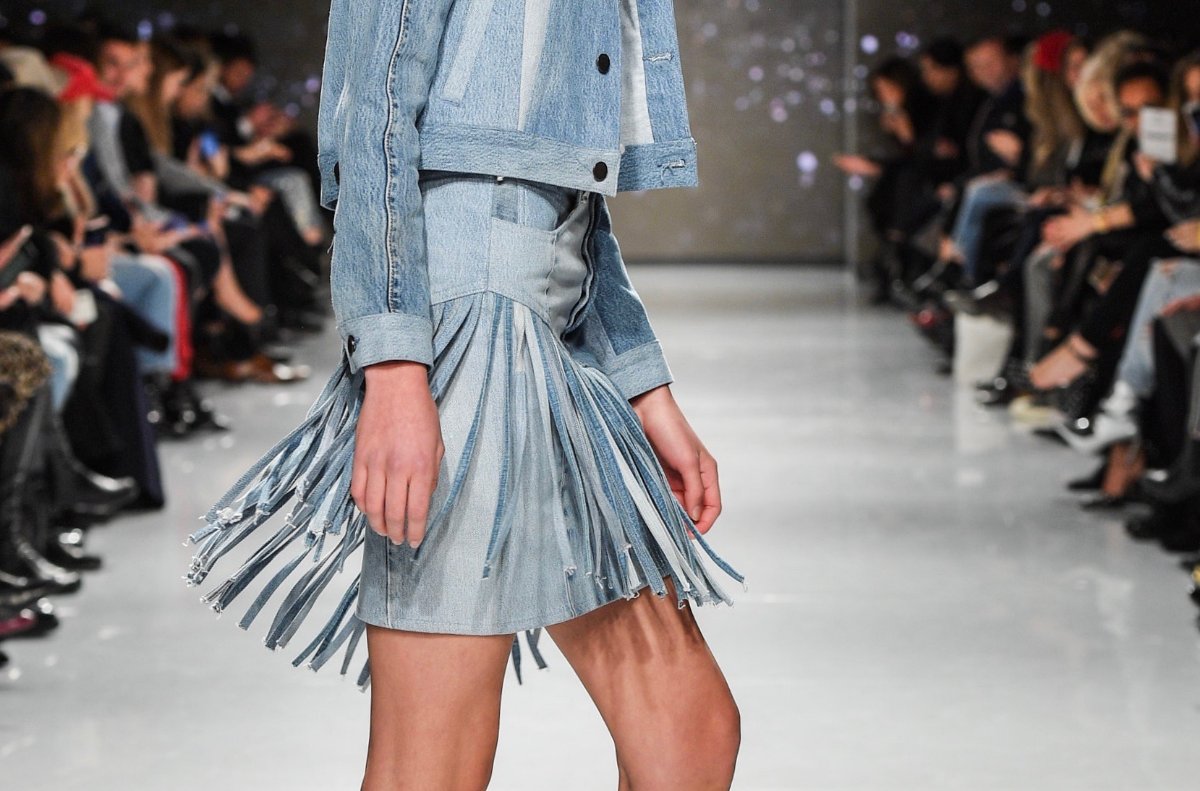
- Remake old and damaged clothing
By remaking old and damaged clothing into something new and exciting, it creates a unique opportunity for you to have one of a kind pieces that you’ve customised. You also don’t have to worry about the hassle of returning clothes that you’ve bought if it doesn’t fit because you can make it exactly to your size.
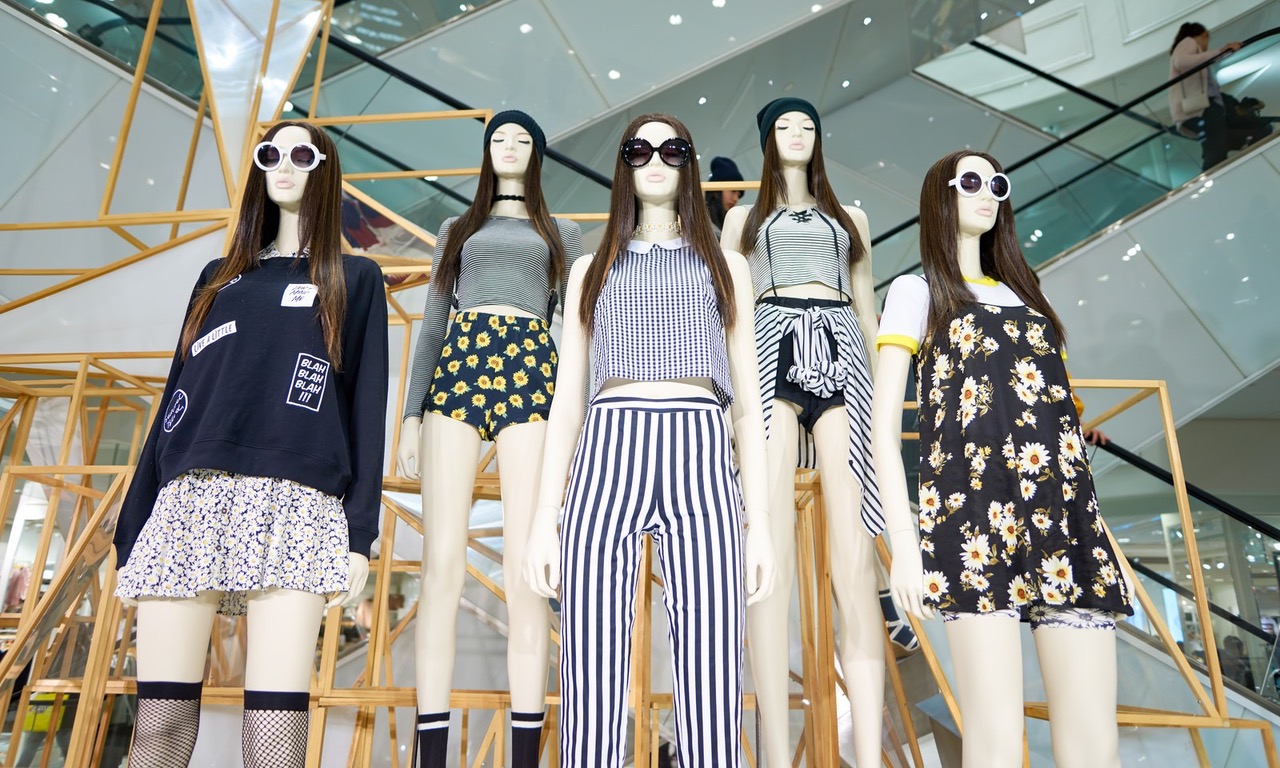
- Only buy something if you need it and know you’ll wear it.
It’s so easy to go out and buy stuff that you don’t need just because you like it, it’s trendy now and it’s a good bargain. Truth is, trends come and go in a matter of months thanks to social media. Think carefully about whether you’ll wear it once that trend has faded. So, it’s much better to resist the urge to buy new unless you need to.
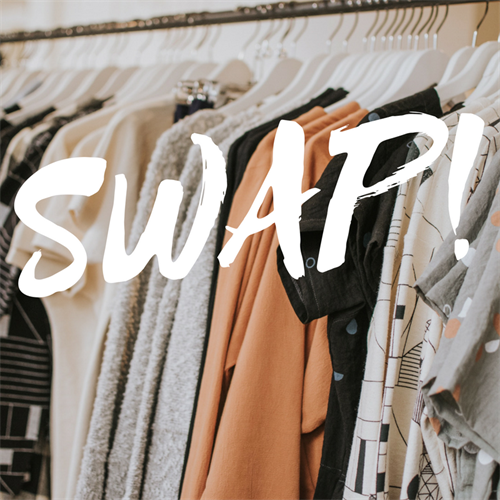
- Do clothes swaps with families and friends.
If you’re bored of some of your clothes, swap them with your friends and family. This way, you both have new and exciting outfits and it hasn’t cost any of you a penny! There are also lots of sites where you can swap clothing, with Facebook becoming a popular place for people to do this.
- Sell unworn and unwanted clothes.
Want to earn a bit of extra cash? Why not sell your clothes online or do a car boot sale? Not only will your clothes get another use, you’ll also have a bit of extra money in your pocket. Sites like eBay and Depop make this process easy.
- Buy locally and support private businesses.
Supporting small businesses and buying locally means you’re supporting your community. You also know where your clothes have come from and sometimes, you can have it customised to your liking.
- Read the care labels before you buy.
By reading the care label, you can get a good understanding of a lot of things. You can see where the garments came from, what they’re made of and how to care for them. Caring properly for your clothing is the best way to make them last longer and keep them looking their best.
- Buy 2nd hand.
Charity shops and 2nd hand stores are a great way of not diving into fast fashion but still having something new. You’re also donating to a great cause.
- Look at the quality of the garments before buying.
The seams are a good indicator of whether or not the garments will last. If you think you’d be able to rip the seams apart easily then it’s not going to last very long at all.
- Ensure you buy from sustainable and ethical fashion brands.
There are many brands that put sustainability and ethical fashion practices at the forefront of their brand. These brands provide you with clothing that doesn’t impact the environment and provide you with solutions of what to do when your garments break or get damaged.
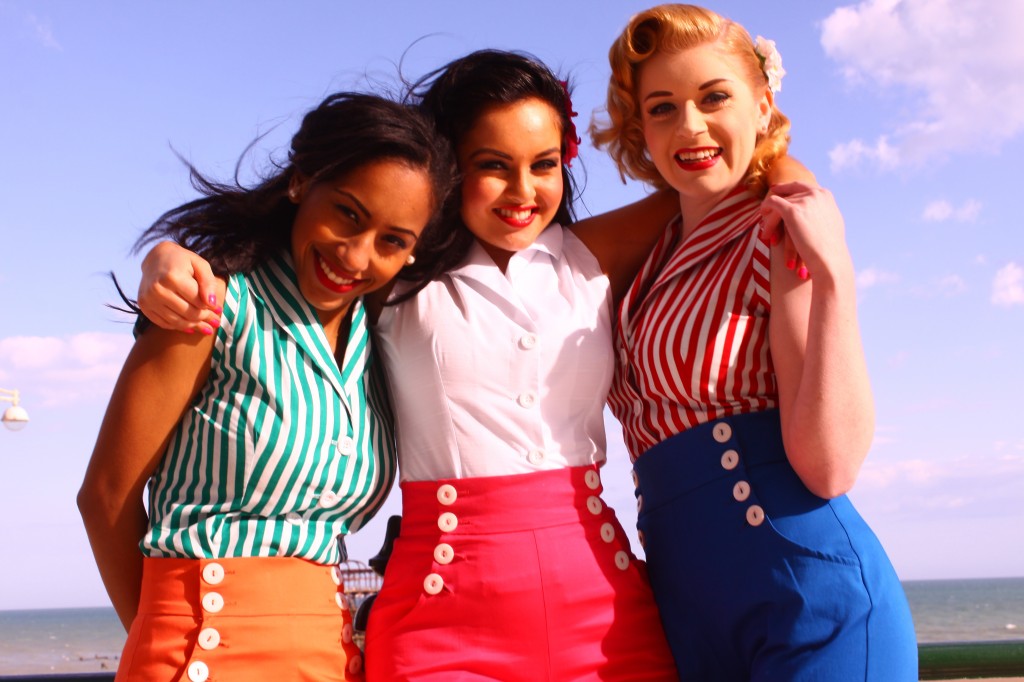
- Buy vintage clothing.
Vintage clothing is a great way of bringing some uniqueness to your wardrobe. Vintage clothing has a meaning to us and we tend to treat it with much more care.
- Buy clothing that can be paired with multiple different outfits.
Buying clothing that can only be worn with a certain thing means that it will be sat in your wardrobe for months at a time collecting dust. Instead, try buying diverse clothing that can be worn with lots of different outfits.
Not only do we, as the consumer, have a responsibility to save our planet, manufacturers and companies need to start to do more to change the way they produce their clothing. They need to provide us with better clothing that lasts longer. They need to look at their use of materials and how much they recycle. They need to ensure that all of their workers are treated fairly and are paid a liveable wage. They need to consider what they do with any unsold garments. They need to look at their carbon footprint and consider if it’s necessary to use that much. And lastly, they need to make their consumers understand what they are trying to do as a company to reduce their impact on the environment. If we all stop buying from fast fashion brands, then maybe companies will listen to the Earths’ cry for help and change their ways. This is all a part of bettering our future on this planet by involving a circular fashion practice in our lives.
While buying more sustainable clothing, you may notice that it is going to be a bit pricier than fast fashion. That is inevitable. Fast fashion is designed to be cheap. But it isn’t designed to last forever. In the long run, buying more sustainable fashion that lasts longer will work out to be more cost effective whilst remaining your stylish self.
By spreading these tips and working together, we can change the way the fashion industry works and aim for a more sustainable future for all. With all of this in mind, it really is up to us to change. The time is now. The future is ours, it’s up to us what we do with it.
REFERENCES
(1) Lucy Rogers (2015) BBC News
https://www.bbc.co.uk/news/magazine-30227025
IMAGES
- Triarchy Atelier remake old denim jeans into new, exciting garments
(https://eluxemagazine.com/fashion/fashion-brands-that-upcycle/) - Clothes swaps
(https://www.stonnington.vic.gov.au/Discover/Community-event-calendar/The-Great-Summer-Clothes-Swap) - Vintage clothing
(http://www.pushpr.co.uk/2011/06/29/tara-starlet-takes-brighton/)

 Becca's Fashion Scrapbook